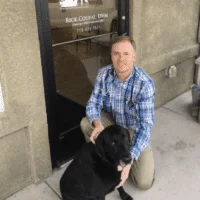

At Ponderosa Veterinary Clinic, we’ve been providing compassionate, affordable veterinary care for dogs and cats through every stage of life. From energetic puppies to beloved senior pets, our goal is to help you feel confident caring for your animal at every age.
As dogs get older, their needs begin to change. You might notice shifts in their behavior, mobility, or overall health, and it can feel overwhelming trying to keep up. Many pet owners search for things like “how to care for a senior dog,” “signs of aging in dogs,” or “common health problems in older dogs.”
The good news is that with the right care and early attention, you can help your dog stay comfortable, happy, and healthy throughout their senior years.
Why Senior Dog Care Matters
As dogs age, their immune systems naturally weaken, making them more vulnerable to illness and chronic conditions. While every dog is different, most senior dogs experience similar changes over time.
Paying attention to these changes early can make a big difference. It allows you to manage symptoms, prevent complications, and improve your dog’s overall quality of life
Common Health Conditions in Senior Dogs
Dementia (Canine Cognitive Dysfunction)
Dog dementia, also called canine cognitive dysfunction (CCD), affects 15–35% of dogs over age 8. Symptoms include:
- Staring into space
- Accidents in the house
- Irritability or confusion
- Changes in sleep or appetite
How to support a dog with dementia:
- Limit moving furniture: Keep your home layout consistent to reduce confusion.
- Call your dog to you: Allow them to approach instead of reaching suddenly, which may cause stress.
Arthritis and Joint Pain
Arthritis is one of the most common senior dog health problems. As cartilage breaks down, dogs may struggle with mobility. Signs include:
- Limping or stiffness
- Reluctance to climb stairs or jump
- Licking or biting paws and joints
- Low energy
Ways to help dogs with arthritis:
- Regular, gentle exercise: Keeps joints flexible and reduces stiffness.
- Supportive dog bed: A cushioned surface reduces joint pressure.
- Joint supplements: Glucosamine and omega-3 fatty acids may support mobility.
Heart Problems in Older Dogs
Many senior dogs develop heart disease, including congestive heart failure (CHF). Symptoms can include:
- Coughing or wheezing
- Fainting or collapsing
- Distended belly
- Loss of appetite
Tips for managing heart problems:
- Vet-approved diet: Nutrition tailored to heart health.
- Gentle exercise: Short, regular walks keep dogs active without strain.
- Outdoor play: Low-intensity play provides mental stimulation and joy.
Simple Ways to Care for Your Senior Dog
Caring for a senior dog doesn’t have to be complicated. Small, consistent changes can make a big impact over time.
Focus on regular veterinary checkups so any health concerns can be caught early. Keep your dog active with short, gentle walks, and provide a comfortable space for them to rest.
Pay attention to their behavior and appetite, since even small changes can signal something important. Most importantly, be patient. Your dog may slow down, but they still rely on your care and routine.
Senior Dog Care at Ponderosa Veterinary Clinic
At Ponderosa Veterinary Clinic in Colorado Springs, we are passionate about helping pets live long, healthy lives.
Whether you need support managing arthritis, guidance on heart health, or help adjusting your dog’s routine as they age, our team is here to help. We take the time to understand your pet’s needs and provide clear, honest recommendations so you can feel confident in your care decisions.
If you have questions about your senior dog or want to schedule an exam, contact our team today. We’re here to help your dog stay comfortable and happy throughout their golden years.