
Finding out your dog may be expecting can bring a swirl of emotions. You’re excited. You’re nervous. You want to do everything right, but you may also have no idea what “right” actually looks like yet. If you’ve been searching for how to care for a pregnant dog, the good news is that you don’t need to have all the answers on day one. You just need a clear plan, a calm environment, and a veterinary team you trust.
At Ponderosa Veterinary Clinic, we know this stage can feel both sweet and stressful. Your dog is counting on you during this vulnerable, yet valuable time. A healthy pregnancy in dogs usually lasts about 62 to 64 days, though the timing can vary depending on when conception actually occurred. Having veterinary guidance throughout can make all the difference.
In this guide, we’ll walk you through what your dog needs during pregnancy, what changes are normal, when to call your veterinarian, and how to get ready for delivery without feeling like you have to become a canine obstetrics expert overnight. We’ll cover pregnant dog care, dog pregnancy signs, nutrition, exercise, nesting behavior, dog labor signs, and the early postpartum period so the whole journey feels a little less overwhelming and a lot more manageable.
First, Confirm That She’s Really Pregnant
Before you start preparing for puppies, it’s important to make sure your dog is actually pregnant. Some intact dogs experience false pregnancy symptoms, also called pseudopregnancy, which can look surprisingly similar to the real thing. That can include nesting behavior, abdominal changes, mammary development, and behavior shifts.
A veterinary exam helps clear up the guesswork. Common signs that a dog is pregnant can include a decrease in appetite, vomiting, an upset stomach, and behavioral changes such as increased affection or irritability. Physical signs of pregnancy may include weight gain, enlarged nipples, and a noticeable increase in abdominal size as dog’s pregnancy progresses.
Veterinary confirmation of pregnancy can often be done around day 21 to 30. Your veterinarian may recommend an ultrasound or a blood test, depending on timing, and later imaging can help estimate how many puppies to expect. Early confirmation matters because it gives your veterinary team time to monitor your pet’s pregnancy, check the health of the developing litter, and identify pregnancy complications before they become major emergencies.

How to Care for a Pregnant Dog From Early Pregnancy to Delivery
Pregnancy in dogs isn’t just one long waiting period. Her needs will shift as her body changes, and your care should shift with her.
| Pregnancy Stage | What You May Notice | What Matters Most |
|---|---|---|
| Early pregnancy | Subtle appetite changes, mild behavior changes, very little outward difference | Confirm pregnancy, avoid unnecessary stress, keep routines steady |
| Mid-pregnancy | Gradual weight gain, growing abdomen, increased rest | Review nutrition, monitor body condition, continue moderate activity |
| Late pregnancy | Nesting, reduced stamina, larger appetite or smaller meals, more restlessness | Prepare whelping area, watch for labor signs, stay in close contact with your vet |
A good pregnancy plan doesn’t need to be fancy. It just needs to be consistent. During the first two weeks of gestation, limiting strenuous exercise may help the fertilized eggs implant well. After that, normal activity is usually encouraged until your dog’s belly becomes more enlarged.
Start By Prioritizing Her Nutrition
One of the most important parts of caring for your pregnant dog prioritizing her nutrition. In the first part of pregnancy, many dogs don’t need dramatic calorie increases yet. But later on, especially in the last third, energy demands rise as the unborn puppies grow and space in the abdomen gets tighter.
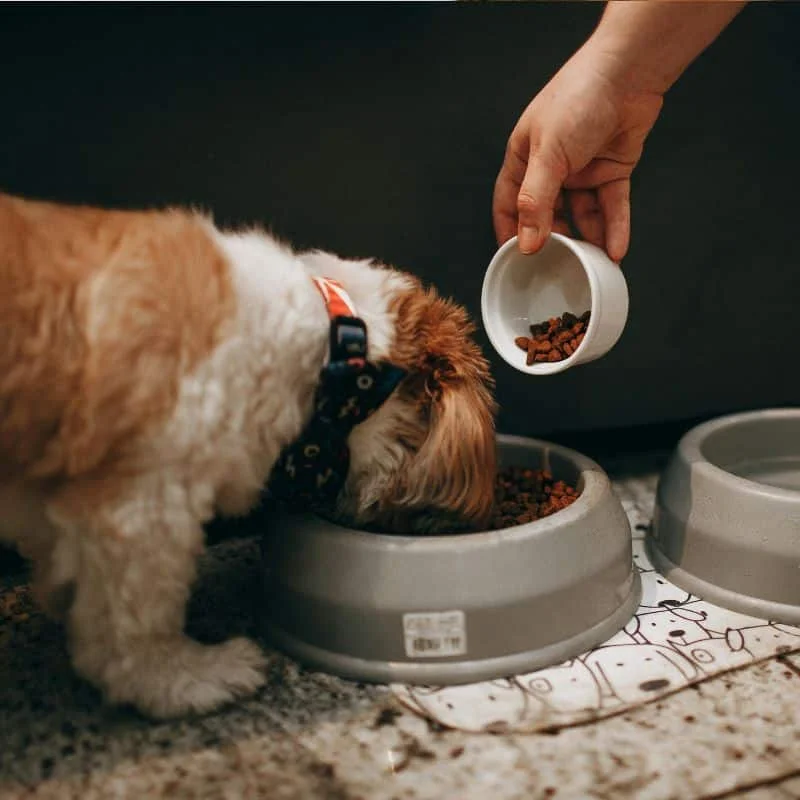
This is where proper nutrition matters. As dog’s pregnancy progresses into the final weeks, many veterinarians recommend increasing food intake by roughly 35% to 50% over usual needs. Smaller, more frequent meals are often easier for an expectant mother to handle, especially when her belly has less room.
A complete and balanced food designed for growth or reproduction is often a better choice than trying to piece together a plan with random supplements. At Ponderosa Veterinary Clinic, we can help you create an optimal nutrition plan that supports your dog and her puppies without adding unnecessary guesswork.
Simple Nutrition Priorities During Dog Pregnancy
- Keep fresh water available at all times.
- Feed a complete and balanced diet.
- Ask your veterinarian before changing foods.
- Consider smaller, more frequent meals later in pregnancy.
- Avoid calcium supplements unless your vet specifically recommends them, because they can disrupt proper hormone balance and increase the risk of eclampsia.
Safe Medications, Vaccines, and Parasite Control Matter
A lot of owners focus on food and miss the medical details that also shape a healthy outcome. If a dog is pregnant, avoid unnecessary vaccinations or medications unless they are truly essential and recommended by your veterinarian. Ideally, a breeding dog should be current on vaccines before pregnancy begins, since vaccinating during pregnancy can be risky for the unborn puppies.
Before breeding, veterinarians often recommend a fecal exam to check for intestinal parasites. Parasite control still matters during pregnancy, but only products confirmed by a vet to be safe for pregnancy should be used. Deworming is often recommended about 10 days before the due date using pregnancy-safe medication to support healthier, worm free puppies.
Regular checkups during your dog’s pregnancy are one of the best ways to protect both the mother dog and her puppies. These visits help your veterinarian monitor your dog’s health, listen for puppies heartbeats when appropriate, and stay alert for any early warning signs of serious disease or other complications.
Keep Exercise Gentle, Not Absent
A pregnant dog usually doesn’t need bed rest. In fact, moderate movement can help maintain muscle tone, support circulation, and reduce stress. What changes is the intensity.
If your dog is used to regular walks, she can often keep walking through much of pregnancy. As she gets closer to delivery, shorter and gentler outings are usually a better fit. Think steady movement, not strenuous workouts. Compared to healthy adult dogs, a pregnant dog often needs more rest and a little more flexibility in her routine.
This is also a good time to protect her from unnecessary physical stress. Rough play, high-impact jumping, overheating, and chaotic dog-park energy usually aren’t worth the risk.
Watch for Changes (But Don’t Panic When You See Them)
Pregnancy changes dogs in obvious ways and quiet ones, too. Some become clingier. Some get more tired. Some start searching for quiet corners of the house as delivery gets closer. A little more rest, a little more appetite, and a little more need for reassurance can all be part of a normal pregnancy arc.
That said, there’s a difference between normal changes and warning signs. Call your veterinarian if you notice:
- Vomiting that doesn’t let up
- Refusal to eat for an extended period
- Significant lethargy
- Signs of pain
- Unusual discharge
- Collapse, weakness, or distress
- Anything that simply feels “off” to you
Owners live with their dogs every day. That instinct matters. When something seems wrong, it’s worth checking with a trusted veterinary clinic.

Create a Safe, Quiet Whelping Space Before You Need It
By the final stretch of pregnancy, many dogs begin nesting. That usually means restlessness, searching for enclosed spaces, rearranging blankets, or wanting privacy. This is your cue to have a whelping area ready before labor starts. Preparation for whelping should begin several weeks before the due date so your pregnant pup has time to settle in.
A whelping box doesn’t need to be elaborate. It does need to be clean, quiet, draft-free, and easy for the expectant mother to enter while still helping protect the puppies and keep those puppies secure. Introducing it early gives her time to settle in and reduces stress when labor begins.
What to Have Ready
- Clean towels and bedding
- A whelping box or secure nesting area
- Your veterinarian’s phone number
- The number for an emergency veterinary clinic
- Fresh water nearby
- A calm household plan with as little disruption as possible
During the last weeks of pregnancy, the mother dog should also be isolated from other dogs to reduce the risk of infectious disease transmission, including canine herpesvirus, which can be dangerous to newborn puppies.
Know the Signs That Labor Is Approaching
As delivery gets closer, your dog may stop eating, become restless, pant, shiver, hide, or start nesting more intensely. It’s important to monitor her temperature during this window. A dog’s normal temperature is higher than 100°F, and if your dog’s rectal temperature dropped below 100°F, labor will often begin within about 24 hours.
When labor begins, abdominal contractions usually start slowly and then increase in strength and frequency as the birthing process continues. The first puppy is often the longest wait. Many puppies are born still enclosed in their placental membranes, and the mother typically opens the sac and severs the umbilical cord herself.
This is where anxious owners often feel the most uncertain. She may look uncomfortable. She may pace. She may want you close and then suddenly want space. None of that automatically means something is wrong.

When Dog Labor Is Normal, and When It’s an Emergency
Labor in dogs can last several hours, and not every moment looks dramatic. Some pauses are normal. Some are not. A pregnant pup may deliver each puppy within 45 to 60 minutes of the previous one, but breaks of up to four hours can sometimes occur without automatically meaning there is a problem.
Contact a veterinarian right away if you notice:
- Strong straining without producing a puppy
- An obviously stuck puppy
- Foul-smelling or abnormal discharge
- Extreme weakness, collapse, or severe pain
- Labor that seems stalled in a concerning way
- Pregnancy that appears prolonged beyond what your veterinarian expected
One warning sign that deserves immediate attention is if the dog produces dark green discharge before any puppy is delivered. A small amount of discharge can be normal after the placenta separates, but if the dog produces dark green discharge and no puppy follows promptly, that can signal distress and requires urgent veterinary attention.
What helps most here is presence without pressure. Stay nearby. Keep the room quiet. Avoid hovering so intensely that you make her feel watched. Supportive and calm wins every time, especially if you think there may be more puppies still to come.
Don’t Forget the First Days After Birth
Once the puppies arrive, it can feel like the hard part is over. In reality, the postpartum window still deserves close attention.
Your dog should be resting, nursing, drinking water, and gradually settling into her new role. The newborn puppies should nurse well, stay warm, and become more content after feeding, and the puppies should gradually settle after a good nursing session. Healthy puppies often sleep quietly between feedings. This is also the stage where it’s important to watch closely for eclampsia during and after nursing, since it can become dangerous quickly if missed.
This is also the stage where owners sometimes miss maternal health complications because all eyes are on the litter. Fever, lethargy, painful mammary glands, foul discharge, or a mother who seems distressed should all prompt a call to the vet. A quick response can help prevent infection in the mother and reduce the risk to vulnerable puppies.

Ponderosa Veterinary Clinic Is Here to Help
Pregnancy can be beautiful, but it can also be stressful when you’re not sure what’s normal, what’s urgent, or what your dog needs next. That’s exactly why veterinary support matters. When you have a team helping you monitor the pregnancy, answer questions, and prepare for delivery, you don’t have to carry the entire burden alone.
If your dog may be expecting, or if you just want guidance on how to care for a pregnant dog with more confidence, Ponderosa Veterinary Clinic is here for you. We’re proud to care for Colorado Springs pets like family, and we’d be glad to help you support your dog through a safe, healthy pregnancy and delivery.
Frequently Asked Questions About Caring for a Pregnant Dog
How can I tell if my dog may be expecting?
Common signs that a dog is pregnant include appetite changes, vomiting, behavior changes, enlarged nipples, and gradual abdominal growth. A veterinarian can often confirm pregnancy around day 21 to 30. Early confirmation gives you more time to plan for your dog and her puppies.
How many puppies can a pregnant dog have?
Litter size varies widely by breed, age, and overall health, so there is no universal answer for litter size. Later in pregnancy, your veterinarian may use imaging to help count puppies more accurately. Knowing the expected number can help you notice whether labor seems complete or whether additional puppies may still need to be delivered.
What should I feed during late pregnancy?
An expectant mother needs a complete and balanced diet, and many dogs need more calories in the final third of pregnancy. Smaller, more frequent meals are often easier for her to tolerate as the abdomen enlarges. Your veterinarian can help tailor feeding recommendations to the size of the dog, her body condition, and the growing puppies.
Can I vaccinate or medicate a female dog during pregnancy?
In most cases, avoid unnecessary vaccinations or medications during pregnancy unless your veterinarian says they are essential. Preventive care is usually safest when handled before breeding, especially for a female dog that may become pregnant. Parasite control still matters, but only pregnancy-safe products should be used.
Why does parasite control matter so much during pregnancy?
Parasites can affect the health of the dam and the litter, which is why veterinarians often recommend screening and a plan for safe treatment. Deworming near the end of pregnancy may help reduce parasite transmission and support healthier puppies after birth. Safe parasite control is part of protecting both a pregnant dog and her litter.
When should I worry during labor?
You should call your veterinarian right away if labor seems prolonged, if your dog appears distressed, or if contractions are strong without producing a puppy. If dark green discharge appears before a puppy is born, that deserves urgent attention. Signs of distress or prolonged labor are never something to wait out casually.
What happens right after each puppy is born?
Each puppy is often born inside a thin membrane that the mother usually opens herself. She will often clean the puppy, stimulate breathing, and deal with the cord. If she does not do that, you may need veterinary guidance right away to help the puppy and protect the rest of the puppies.
Why are regular vet visits so important during pregnancy?
Regular checkups help monitor the health of the mother and the litter throughout the pregnancy. They also give your veterinarian the chance to catch changes early, answer questions, and adjust care if needed. That kind of monitoring can make a real difference for the puppies and the pregnant dog alike, especially if the puppies need extra support after birth.
Can a mother pass illness to her puppies?
Yes. Infectious disease can be dangerous during late pregnancy and after birth, which is one reason isolation from unfamiliar dogs is often recommended. In severe cases, diseases can affect both an infected mother and infected puppies, especially when immune systems are still fragile.
Do I need to keep the mother away from other dogs late in pregnancy?
Yes, in many cases that is wise. During the last weeks of pregnancy, limiting contact with unfamiliar dogs can help reduce exposure to infectious disease that may harm the litter. This added caution is especially important before delivery and while the new puppies’ immune systems are still developing, helping protect the rest of the puppies in the litter.